

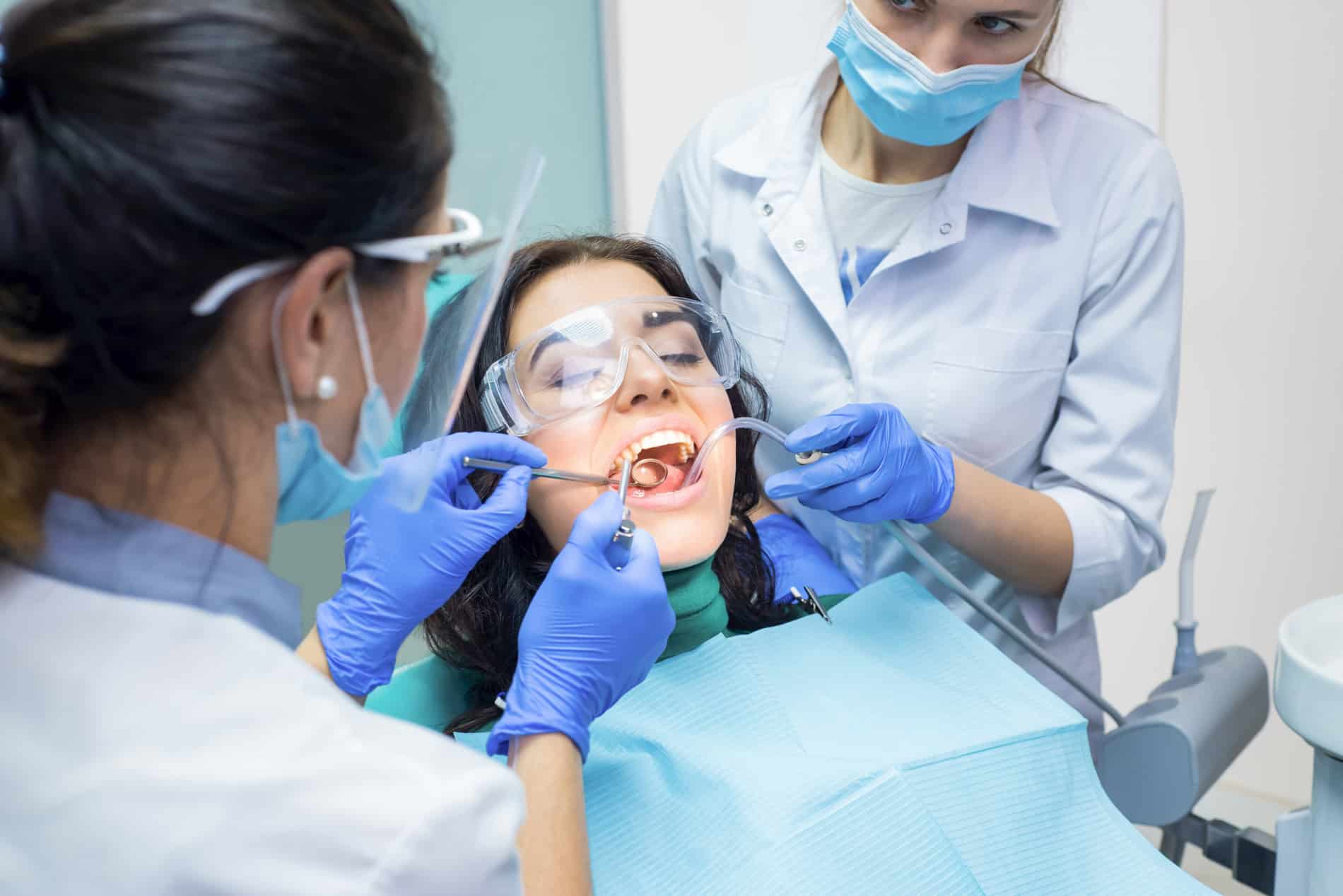
What Dental Conditions Require Restorative Treatment?
At Prosper Dental Studio, we understand that dental problems can affect more than just your smile. They can impact how you eat, speak, and feel each day. Restorative dentistry focuses on repairing or replacing teeth that have been damaged, worn down, or lost, helping patients regain comfort, function, and confidence. Below, we explain which dental conditions typically require restorative treatment, the signs to watch for, and the options available to restore your smile in a way that feels supportive and personalized.
What Is Restorative Dentistry, and Why Does It Matter?
Restorative dentistry refers to dental care that repairs or replaces teeth to support long-term oral health. This type of treatment helps protect your remaining tooth structure, improve daily comfort, and prevent minor issues from becoming more complex problems.
When teeth are healthy and functioning properly, everyday activities like chewing and speaking feel natural. Restorative care helps preserve that stability while also supporting your overall confidence in your smile.
This Article will address
- What dental conditions commonly require restorative treatment
- Signs you may notice when a tooth needs repair
- What happens if restorative problems are left untreated
- Options available to restore your smile
- The most common type of dental restoration
- Restorative vs cosmetic dentistry
- What to expect, including recovery basics and when to call
What Dental Conditions Require Restorative Treatment?
Several common dental conditions can benefit from restorative care. Addressing these issues early often helps prevent discomfort and more involved treatment later.
Tooth Decay and Cavities That Weaken the Tooth
Small cavities are often treated with fillings to restore strength and function. When decay becomes more extensive, onlays or crowns may be recommended to protect the tooth and prevent further damage. The goal is to stop decay from progressing and rebuild the tooth so it can function comfortably.
Cracked, Chipped, or Broken Teeth
Cracks and chips can worsen over time due to normal biting pressure. Even minor damage can lead to sensitivity or discomfort if left untreated. Restorative treatments help stabilize the tooth and reduce the risk of further fracture.
Missing Teeth or Teeth That Cannot Be Saved
Missing teeth can affect your bite, cause neighboring teeth to shift, and place strain on the jaw. Replacing missing teeth supports long-term oral stability and helps maintain proper alignment.
Worn Teeth From Grinding or Bite Stress
Teeth worn down from grinding or bite imbalance may become sensitive and lose their natural shape. Restorations can rebuild the tooth surface, protect enamel, and improve comfort.
Failing Fillings or Old Dental Work
Over time, older restorations may loosen, crack, or wear down. Addressing these issues early helps protect the tooth underneath and prevent larger problems.
Deep Infection or Damage Reaching the Tooth Nerve
When decay or trauma reaches the inner portion of the tooth, root canal therapy is often recommended. A protective restoration placed afterward helps preserve the treated tooth and restore function.
What Signs Suggest You May Need Restorative Dental Care?
Some dental problems are easy to spot, while others develop gradually. Common signs that restorative care may be needed include:
- Persistent tooth pain or discomfort
- Sensitivity to hot or cold temperatures
- Pain when chewing or biting
- Visible dark spots or holes in a tooth
- A chipped edge or rough surface
- A tooth that feels loose
- Food trapping or floss shredding between teeth
- A filling that feels sharp, uneven, or loose
If you notice any of these symptoms, scheduling an evaluation can help determine the right next step.
What Happens If Damaged or Missing Teeth Are Not Treated?
Untreated dental damage often worsens over time. Decay can deepen, cracks can spread, and discomfort may increase. Missing teeth can cause surrounding teeth to shift, affecting your bite and making chewing less efficient. In some cases, delaying care may lead to the need for more complex treatment later.
What Are the Benefits of Restorative Dentistry?
Restorative dental care offers several important benefits:
- Relief from discomfort or sensitivity
- Improved chewing and speaking ability
- Protection against worsening damage
- Better bite stability and balance
- Improved appearance as a secondary benefit
By restoring damaged teeth, patients often feel more confident and comfortable in daily life.
What Options Are Available to Restore My Smile?
Restorative dentistry includes several treatment options, each designed for specific needs.
Fillings
Best for small to moderate cavities, fillings restore the tooth after decay is removed.
Crowns
Crowns are often used for weakened, cracked, or heavily restored teeth to provide added strength and protection.
Inlays and Onlays
These restorations are ideal for moderate damage when a full crown is not necessary.
Root Canal Therapy With a Protective Restoration
When the tooth nerve is affected, root canal therapy can save the tooth. A protective restoration is placed afterward to restore function.
Bridges
Bridges replace one or more missing teeth using a fixed solution supported by neighboring teeth.
Dentures
Dentures are a removable option for replacing multiple missing teeth.
Dental Implants
Implants provide a long-term solution that helps preserve bone and restore stability.
Patients seeking Restorative Dentistry in Cornelius, NC, serving Huntersville, NC can explore these options with guidance tailored to their needs.
Who Needs Restorative Dentistry?
Anyone experiencing decay, damage, missing teeth, or discomfort that affects function or oral health may benefit from restorative care. Restorative dentistry is not limited by age and is commonly used in family and adult dentistry.
When Should I Call a Dentist About a Tooth Problem?
You should contact a dentist if you experience sudden pain, swelling, a broken tooth, a lost filling or crown, bleeding, or signs of infection. Prosper Dental Studio prioritizes urgent dental needs and focuses on patient comfort during emergency care.
Schedule Restorative Care With a Team Focused on Comfort and Trust
If you are experiencing dental discomfort or have concerns about damaged or missing teeth, Prosper Dental Studio is here to help. Our team proudly serves patients in Cornelius, NC, and Huntersville, NC, with a focus on comfort, understanding, and quality dental care. We welcome you to call or book online to meet Dr. Armentha Chicas and learn how restorative dentistry can support your long-term oral health. Emergency dentistry is also available for urgent concerns, so you never have to navigate dental pain alone.
Sources
Meet Dr. Chicas
Dr. Armentha Chicas is the owner & lead dentist at Prosper Dental Studio, serving patients throughout Cornelius & Huntersville, NC. Born in Haiti & raised in the U.S., she brings a unique blend of technical skill, artistic vision, & heartfelt compassion to every aspect of dentistry. A graduate of UNC Charlotte & Howard University College of Dentistry, Dr. Chicas has continued to expand her expertise through advanced training, including implant education with Hiossen. Her approach centers on creating personalized, aesthetically refined treatment plans that honor both oral health & confidence. As a member of the ADA & the North Carolina Dental Society, she is committed to elevating patient care & helping each person achieve a smile that feels both healthy & authentically their own.